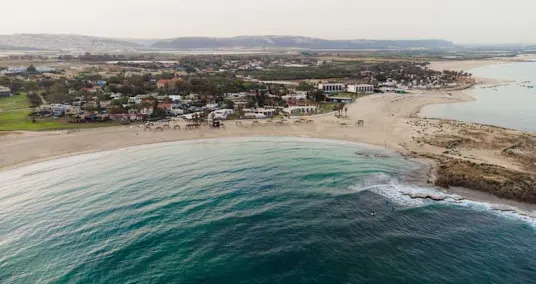
The discovery was made in an ancient shipwreck in the Dor Lagoon near the Carmel Coast, where archaeologists recovered nine pieces of unprocessed iron known as “blooms.”
Researchers from the University of Haifa said Wednesday that an underwater excavation off Israel’s northern Mediterranean coast uncovered what they described as the earliest known cargo of raw iron transported by ship, dating back around 2,600 years, Xinhua reported.
The discovery was made in an ancient shipwreck in the Dor Lagoon near the Carmel Coast, where archaeologists recovered nine pieces of unprocessed iron known as “blooms.” According to the university, the find provides direct evidence of how iron was transported in its earliest commercial stages.
The material was preserved in its original form, having solidified directly in a smelting furnace without undergoing forging or further refinement. Researchers said this distinguishes the cargo from later iron artifacts that typically show signs of shaping or tool-making.
Unlike copper and bronze, which could be melted into liquid form in ancient production processes, iron was heated with charcoal to produce a solid, porous mass. That mass was generally hammered to remove impurities and create denser material suitable for tools and implements.
The recovered blooms showed no indication of that secondary processing stage, suggesting they were transported immediately after production.

Earliest iron shipment discovered in ancient Mediterranean wreck
To determine the age and condition of the cargo, researchers conducted microscopic and chemical analyses.
Radiocarbon dating was also carried out on charred wood embedded in one of the pieces, helping confirm the timeline of the shipment. The findings were published in the journal Heritage Science.
Researchers said the cargo indicates that iron was being moved in raw form from production sites to other locations for further processing, pointing to a level of specialization in ancient manufacturing and trade networks in the Mediterranean.
The University of Haifa said the discovery provides new insight into early iron production and distribution practices in the region.
LATEST POSTS
- 1
 5 Signs Now is the ideal time to Update Your Android Telephone: When to Take the Action
 - 2Find the Specialty of Public Speaking: Drawing in and Convincing Crowds with Certainty
- 34 Dazzling And Well known Island Objections In US
- 4The Way to Monetary Freedom: A Viable Aide
- 5Day to day Temporary Positions That Compensate Fairly in the US



- Figure out How to Reveal Stowed away Open Record Rewards
- What to know about voluntary chocolate recall
- Young Muslims in Germany feel left out of Mideast debate, experts say
- Watch This Glacier Race into the Sea
- African nations push to recognize crimes of colonialism in Algeria
- Monetary Security: Building Serious areas of strength for an Establishment
- Posts falsely claim Netanyahu video fabricated to cover up his death
- Joshua Made Last-Second Seat Change That Saved His Life
- It Looks Like a Tiny, Fluffy Dragon, But It's Really a Bird. Meet the Great Eared Nightjar