Conservationists continued rescue efforts on Friday to guide a humpback whale recently freed from a sandbank off Germany's Baltic Sea coast.
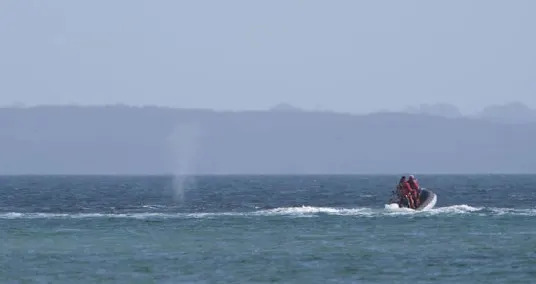
Teams used inflatable boats in Lübeck Bay to escort the whale, which had been stuck near Timmendorfer Beach since Monday, toward deeper waters.
The marine conservation groups Sea Shepherd and Greenpeace said their boats are in the water to try to keep the whale away from the beach.
At times the humpback whale had been heading back towards shallower water, a Sea Shepherd spokesman said.
Using the inflatable boats, the organizations had created a kind of blockade to stop it from returning to shallow water.
The whale had freed itself early on Friday from a sandbank off of Germany's Baltic Sea coast and was heading out of the Bay of Lübeck, a marine scientist said. It had been stuck there since Monday.
No transmitter was attached to the whale because its skin was too badly diseased.
LATEST POSTS
- 1
 Ukraine apologizes to Finland for crashed drones
 - 2The 2026 'Super Bowl of Astronomy' starts today — here's what's happening
- 33 Italian City Cars That Outsmarted Regulations and Rivals
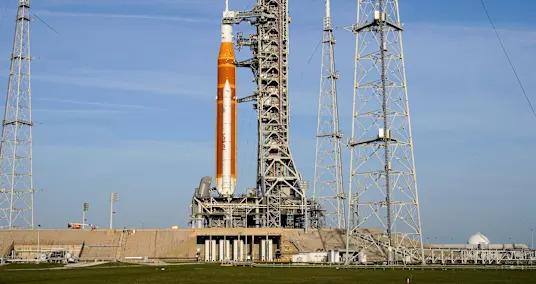
- 4Moon rocket and weather are on NASA's side for the first astronaut launch in decades
- 5Here's how 'Bridgerton' fans can watch the first episode of Season 4 before its Netflix release later this month



- Google's proposed data center in orbit will face issues with space debris in an already crowded orbit
- In wrangling dark matter, some scientists find inspiration in the Torah, Krishna and Christ
- 7 Countries Where You Can Buy a Home for Under $100,000
- Crime boss Steven Lyons set to be deported from Bali to Spain
- April’s full pink moon will rise in the night sky this week
- What to know about cheese voluntarily recalled in 20 states
- Extreme Manual for Purchasing Your Next Truck
- Flourishing in Retirement: Individual Accounts of Post-Vocation Satisfaction
- The Best Portable Applications for Psychological wellness and Prosperity