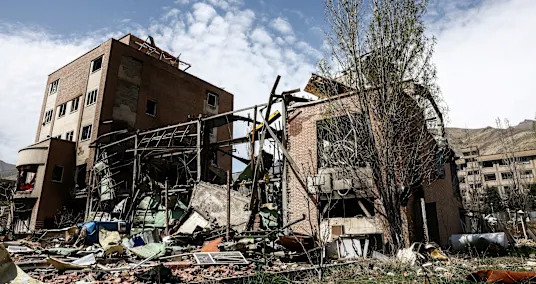
In Tehran, a city of nine million people, schools are closed, businesses are shuttered or struggling, and locals are living without a functioning air-raid warning system or public shelters. In many areas, the first sign of an incoming strike is the explosion itself.
There have been twice as many US and Israeli attacks on Iran compared to the number of Iranian retaliatory strikes since the war began — and the numbers killed in Iran have been orders of magnitude greater than in the neighboring Gulf states. A nationwide internet blackout, now entering its second month, has left civilians unable to access information about safety, shelter, and food and has meant some are unable to work. But while millions have fled Iran’s cities, many more are staying where they are. Some residents are hoping the US and Israeli bombs will cause the regime to collapse; others are left wondering if they are at risk if their neighbors are targeted.
For the many Iranians with ties to Dubai, there are other pressures, with Iranian nationals now barred from entering or transiting through the UAE. Residency permits, even for those with long-term Golden Visas, are reportedly being revoked without notice.




 Haunting Giant Squid Surfaces in Japan and Devours Its Prey (Video)
- Hundreds are quarantined in South Carolina as measles spreads in 2 US outbreaks
- Carina Nebula shines with white-blue stars | Space photo of the day for Jan. 5, 2026
- Eleven arrested over mass shooting in South Africa tavern
- Radiated Tortoise Faces Rapid Decline in Madagascar
- The most effective method to Arrange a Higher Medical caretaker Pay During Your Next New employee screening
- 5 Christmas movies to stream for less with this Paramount+ Black Friday deal
- UAE used military bases in Red Sea region to aid Israel's war against Hamas, leaks reveal
- Vote in favor of the bloom plan that adds a bit of excellence to your life!